Equipment & Supplies
Arrows, targets and the accessories that actually matter. Gear I own says so; the rest is researched and says so too.
// Overview
The gear I actually use, and what can wait
After the bow, a handful of gear decides how much you enjoy shooting. Most of it is cheap. Some of it is the stuff people skip and regret, like a bow stringer.
Arrows matter most. I compare carbon and aluminum for a first dozen, and explain how to read a spine chart so your arrows actually fly straight off your bow.
Then the comfort gear: a finger tab or glove, an armguard, and a target that stops arrows safely in your backyard.
Free printable
Beginner gear checklist
Everything I would buy for a first season, with rough costs, and what can wait until year two. It’s a page of the free range log.
// All posts
Everything in Equipment & Supplies
Showing all 13 posts, newest firstShowing 13 posts for recurve shooters, newest firstShowing 12 posts for longbow shooters, newest firstShowing 10 posts for compound shooters, newest first
- Kisser Buttons: When to Add One and How to Fit ItArrows landing high, then low, usually mean your anchor moves, and a kisser button can confirm an anchor but never create one. Learn when to add one, why a small kisser beats a big disc, and how to fit it in 4 steps.
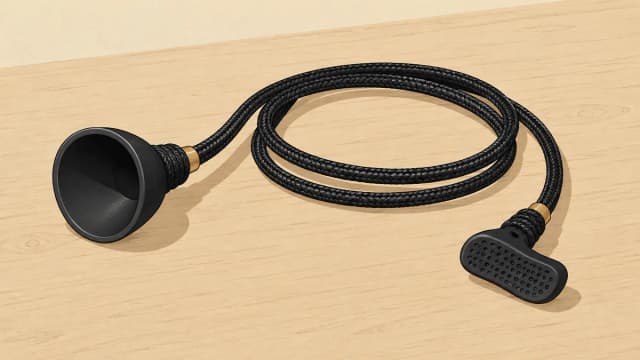
- How to Use a Bow Stringer: String a Recurve Safely in 5 StepsStringing a recurve by hand can twist a limb or snap a tip back at your face. Which bow stringer to buy, the 5 steps to string and unstring safely, 4 fixes when the stringer slips, and the checks to make before the first arrow.
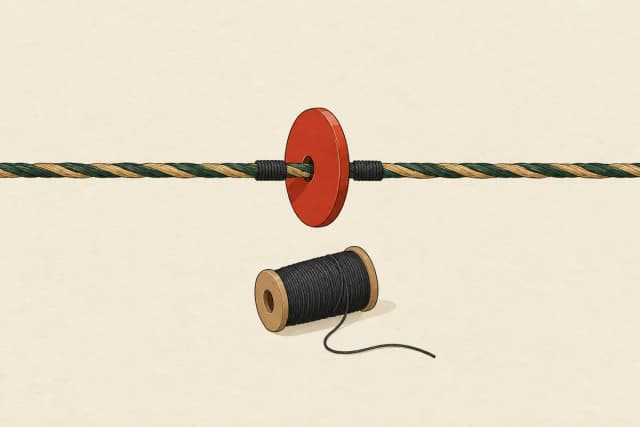
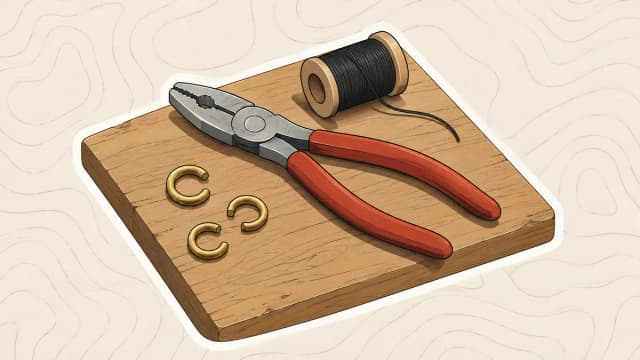
- Nocking Point: Where Your Arrow Clips On and How High to Set ItIf your arrows bounce up and down in flight, check the nocking point first. Learn how high to set it (about 1/8 to 3/8 inch above level on a recurve), how to tie a test point and a permanent one, and how bare shafts tell you which way to move it.
- How to Choose and Set Up an Arrow Rest, From Shelf to Drop-AwayA crooked stick-on rest sends every arrow off line, and it only goes on once. Compare the 5 rest types by bow, see why a cheap stick-on is the right first rest on a recurve, and fit one in 6 steps, with an Olympian’s setup tips.
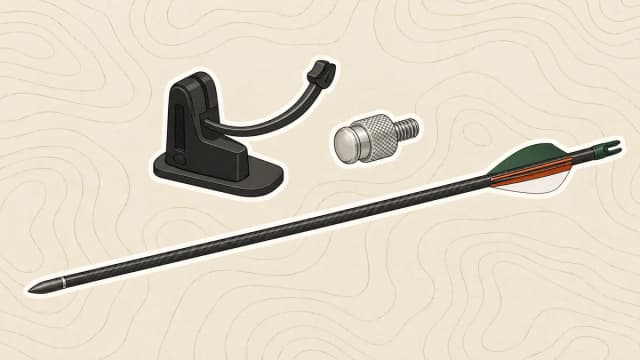
- Choosing Field Points: Weight, Size and ThreadNew field points that don’t match the old ones move where arrows land. Match diameter, grain weight and the 8-32 thread in 3 checks, learn when a heavier point makes sense, and keep every point tight with 4 simple habits.
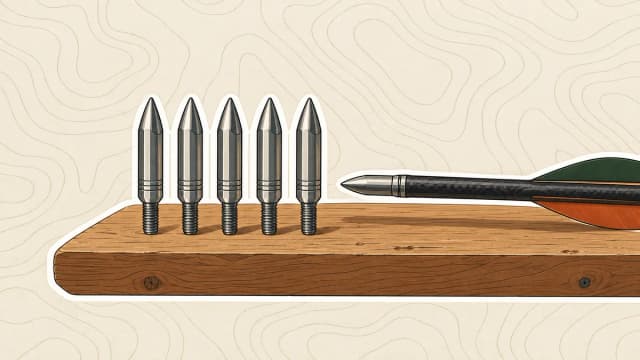
- Brace Height on a Recurve: How to Measure It and How to Change ItA noisy bow or a string slapping your arm often means the brace height has drifted. Measure it in 4 steps with a bow square, find your recurve’s range (7¾ to 9½ inches), then twist the string and tune it by ear until it’s quiet.
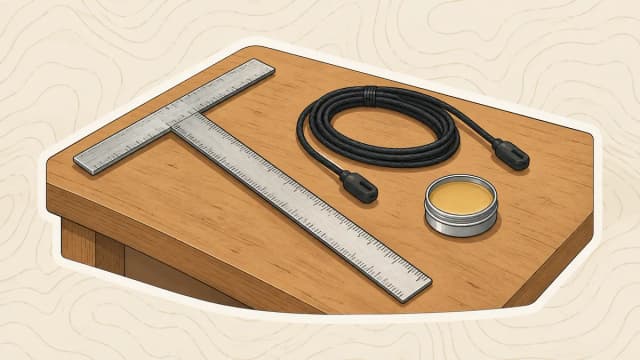
- Choosing Arrow Fletching: Feathers, Vanes and AngleFeathers fold out of the way and vanes don’t, which decides what a bow needs. Pick fletching for any setup in 2 steps (material, then straight, offset or helical) and run the 1-shot powder test that shows fins hitting the rest.
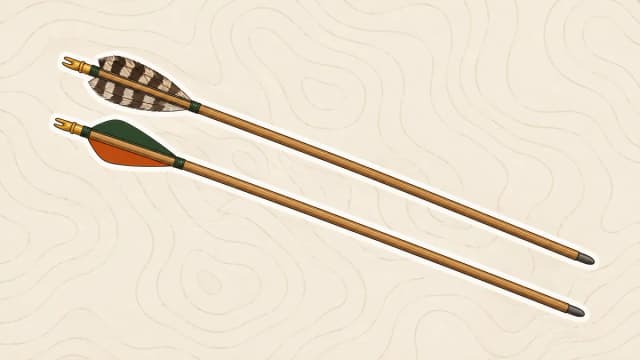
- Arrow Weight: How to Pick the Right Grain for Your BowToo light an arrow can crack a traditional bow’s limbs, and the safe number isn’t on the shaft label. Add up your arrow in 5 parts, divide by draw weight, and see why 8 grains per pound is the floor for recurves, plus a 5-step way to pick yours.
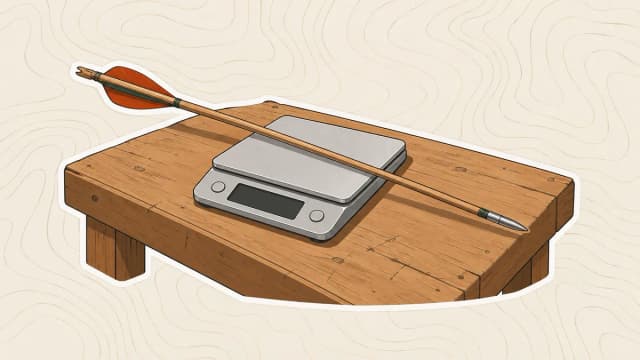
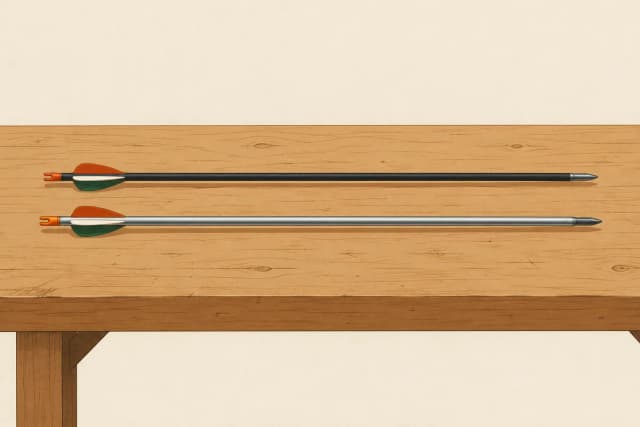
- Carbon or Aluminum Arrows? 6 Differences Before Your First SetCheap bundled arrows can wreck a beginner’s groups before form gets a chance. Compare carbon and aluminum arrows on 6 points (durability, speed, spine, precision, safety checks and fit) and buy a first set that suits your bow.
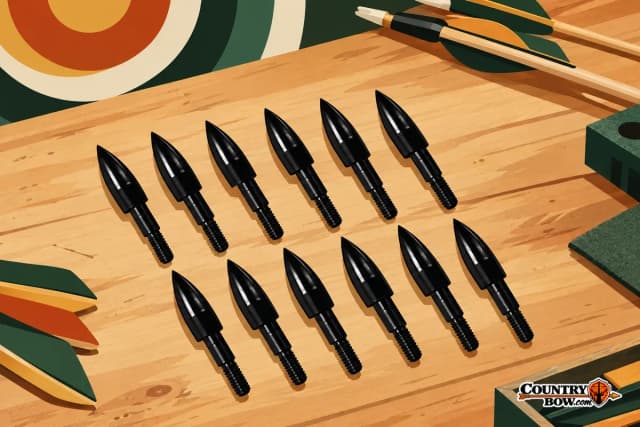
- The 100 Grain Field Tips I Practice With: 12 Screw-In 5/16″ PointsLost another point in the grass? These 100 grain screw-in field tips fit 5/16″ arrows with a standard 8-32 thread, 12 to a pack. See the specs, the 3 checks that stop a bad fit, and when 100 grains is the right weight.
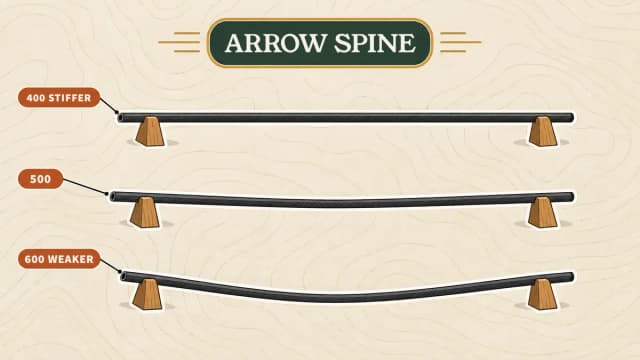
- Arrow Spine: How to Pick the Right Number for Your BowMost beginners pick spine from the limb sticker and land a full size off. Use 2 numbers (your real draw weight and arrow length), read the recurve side of the chart in 3 steps, and check the result with a bare shaft before you buy a dozen.
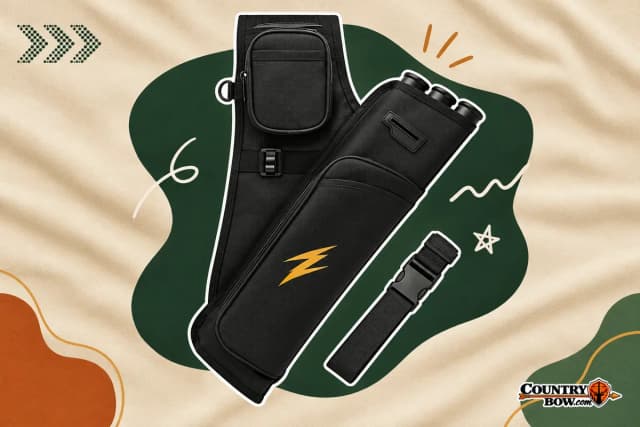
- The SUNYA Hip Quiver I’ve Worn at the Range for 2 YearsOne belt, 3 arrow tubes and pockets big enough for gloves, spares and an arm guard. This SUNYA hip quiver review covers what fits, how the arrows stay put while you walk, the one flaw after 2 years, and who should buy it.
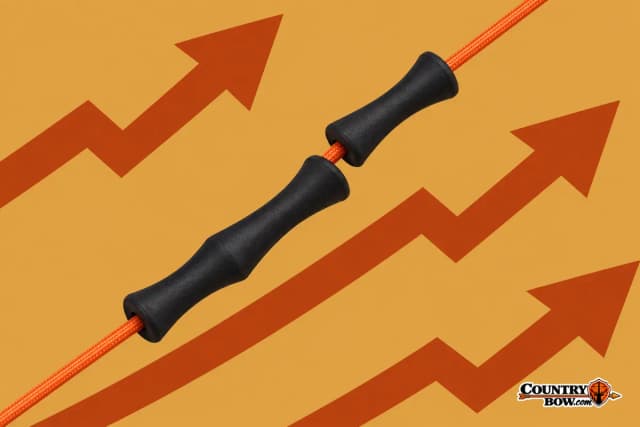
- EOUS Finger Savers on My Bowstring vs a Glove or TabSore string fingers or a pinched nock? Rubber finger savers, 0.9″ and 1.8″ long, sit on the string around the arrow so your fingers never touch bare string. See the EOUS specs, how they compare with a glove or tab, and who should try them.
// FAQ
Questions I get a lot
Short answers to what beginners ask me about equipment & supplies. Some link to the post that goes deeper.
What target is best for a backyard?
A layered foam block or a quality bag target. Make sure it is rated for your draw weight and has a safe backstop behind it.
Do I need a bow stringer?
Yes, for any recurve or longbow. Stringing by hand can twist the limbs permanently.
How much should I spend on my first setup?
A good beginner recurve, a dozen arrows, a tab, an armguard and a target run about $300–450 if you buy carefully.
Do I need a sight or stabilizer?
Not to start. Learn form barebow first. You can add a sight later without changing anything you’ve learned.
How many arrows should I buy?
A dozen. You will lose and break a few in the first month.
Read: Carbon vs Aluminum Arrows →What arrow spine do I need?
It depends on your draw weight and arrow length. Use a spine chart, then bare-shaft tune one arrow.
Finger tab or glove?
A glove for most beginners: it’s easy to put on and works for target, 3D and hunting. I liked mine enough to buy the same one twice. A tab gives a slightly cleaner release if you chase target scores.

// Follow
Follow the ride on Instagram.
// Free printable
Get the range log I actually use.
Seventeen printable pages: session log, score tracker, a 30-day drill challenge, a bow maintenance card, a first-season checklist and more. Join the monthly email and it lands right away.